.png?width=110&height=25&name=Natcap_White%20(7).png)
The chemical sector depends on a wide range of raw materials, from crude oil and natural gas to agricultural crops and mined minerals. These feedstocks underpin everything from plastics and fertilisers to solvents, surfactants and speciality chemicals.
But the availability and cost of those materials increasingly depend on nature-related factors upstream. Water scarcity can constrain oil extraction or phosphate processing. Drought and heat can affect agricultural feedstocks such as maize and sugarcane. Deforestation rules can change sourcing requirements for palm oil and soy. And tighter controls on pollution or resource use can alter the economics of production.
For chemical companies, understanding these risks means looking beyond the commodity itself. The same feedstock can carry very different risks depending on where it comes from, how it is produced and what environmental pressures or regulations apply in that location.
This blog looks at some of the key nature-related physical and transition risks associated with major chemical feedstocks, and why they matter for supply, cost and resilience.
|
Commodity |
Key transition risks |
Key physical risks |
|
Crude oil / naphtha |
Potential reduced demand for virgin plastics; restrictions on extraction in sensitive areas |
Water scarcity |
|
Natural gas |
Methane regulation |
Water availability |
|
Palm oil & palm kernel oil |
Deforestation-linked transition risks |
Drought Pests & disease |
|
Soy |
Deforestation and ecosystem-conversion linked transition risks; pesticide-use linked transition risks |
Heat stress; water stress; pests & disease |
|
Sugarcane |
Water-use and land-expansion constraints |
Water availability; heat |
|
Maize / corn |
Pesticide-use linked transition risks; fertiliser and nutrient-use linked transition risks |
Drought; extreme heat; soil degradation |
|
Phosphate rock |
Water-use and permitting constraints; water-pollution liabilities; phosphorus-pollution regulation |
Water scarcity |
Crude oil / naphtha
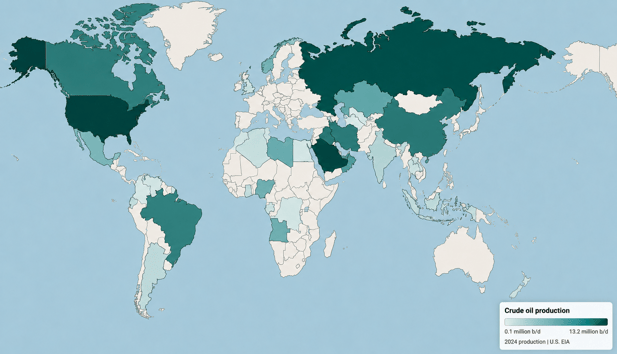
Why it matters: Crude oil is a major feedstock for the chemical sector. Refining produces naphtha and other streams that are used to make ethylene, propylene and aromatic chemicals, which in turn feed plastics, synthetic rubber, solvents, fibres, coatings and many other chemical products.
Key transition risks: One of the main transition risks is the potential for lower demand for virgin plastics. The EU Packaging and Packaging Waste Regulation (PPWR) is increasing requirements around recyclability, recycled content, packaging minimisation and reuse. For chemical companies, this could reduce demand for virgin petrochemical feedstocks.
Oil extraction can also face tighter restrictions in protected or ecologically sensitive areas. If this makes crude more expensive or harder to source, chemical companies could face higher costs for naphtha and other petrochemical feedstocks.
Key physical risks: Oil production can depend materially on water. It is used for reservoir pressure maintenance, enhanced oil recovery, hydraulic fracturing, processing and cooling. This creates exposure in water-stressed production regions. Iraq is one example, where declining freshwater availability and increasing salinity are already creating challenges for oil production. For example, in February 2022, Basra Oil Company reported that existing water supplies would meet only a fraction of its production needs, leading to oil output falling below OPEC+ quotas.
Watch points for chemical companies: Map where crude and naphtha are sourced from, identify exposure to water-stressed production regions, and assess whether suppliers operate in biodiversity-sensitive areas. Companies should also consider how lower demand for virgin plastics could affect long-term feedstock needs.
Sources: IEA analysis on petrochemical feedstocks and water use; IEA analysis on climate resilience in Iraq; TNFD guidance on oil and gas dependencies; EU Packaging and Packaging Waste Regulation (PPWR); UN plastics treaty process.
Natural gas
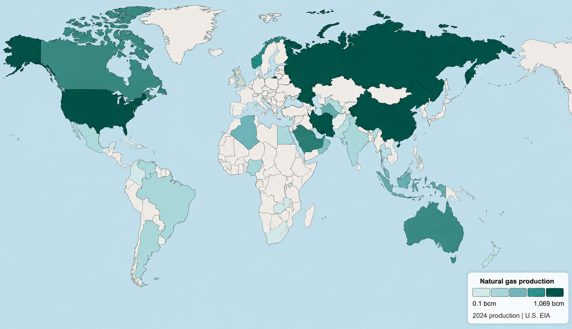
Why it matters: Natural gas is both an energy source and an important chemical feedstock. It is used to produce hydrogen, ammonia and methanol, which in turn feed fertilisers, resins, formaldehyde, solvents, synthetic fibres and many other chemical products.
Key transition risks: Methane leakage is becoming a more important regulatory issue. The EU Methane Regulation introduces new monitoring, reporting and verification requirements and progressively extends scrutiny to imported fossil energy. For chemical companies, this can increase supplier data requests and compliance requirements and potentially limit access to gas suppliers that cannot meet new methane standards.
Key physical risks: Some natural-gas production and processing methods depend on reliable freshwater supplies. Declining water availability can increase treatment and recycling costs, constrain production and create greater competition with ecosystems and other water users. Improperly managed wastewater poses contamination risks to nearby aquatic ecosystems and groundwater.
Watch points for chemicals companies: Understand where gas is sourced from, how it is produced, whether suppliers have credible methane measurement in place, and whether production is exposed to water-stressed regions. Evaluate transition strategies into biomethane produced from genuine organic waste and agricultural residues as a targeted solution where operational threats have been identified.
Sources: EU Methane Regulation; IEA analysis of natural gas use in ammonia production and water use across the energy sector.
Palm oil & palm kernel oil
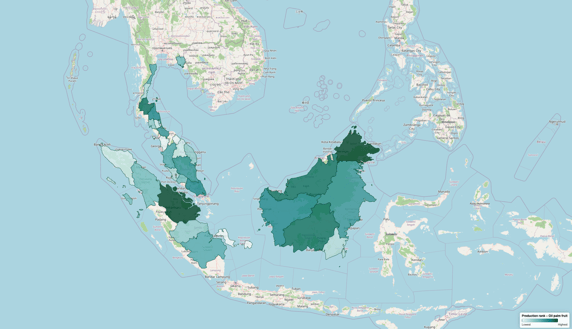
Why it matters: Palm oil and palm kernel oil are important feedstocks for oleochemicals. Their derivatives are used in soaps, detergents, surfactants, personal-care ingredients, plastic additives, lubricants, coatings and other speciality chemicals. Global production is also highly concentrated in Indonesia and Malaysia.
Key transition risks: Palm oil is one of the clearest examples of deforestation-linked transition risk. Oil palm expansion has been associated with tropical forest loss and biodiversity impacts, and palm oil is covered by the EU Deforestation Regulation (EUDR). For chemical companies, this can increase traceability and compliance costs and may require changes to supply chains where palm-derived feedstocks are linked to land-use change.
Key physical risks: Oil palm depends on humid tropical conditions, so drought and El Niño-related rainfall deficits can reduce yields and create delayed production effects. During 2015-16 El Niño, drought contributed to Malaysian palm-oil production falling 5.7% year-on-year, despite an increase in mature planted area. Sabah, Malaysia’s largest palm-growing state, recorded a 21% fall in crude palm-oil production. Plantations are also exposed to disease risk, particularly basal stem rot caused by Ganoderma. Because production is concentrated in Indonesia and Malaysia, regional climate or disease shocks can quickly affect global oleochemical markets.
Watch points for chemical companies: Prioritise traceability to mill and plantation level, check exposure to high-deforestation-risk regions, and assess whether drought, disease and replanting risks are reflected in supplier resilience plans.
Sources: IUCN palm oil and biodiversity issues brief; European Commission EUDR guidance; USDA palm oil outlook; World Bank Malaysia Economic Monitor; Chong, Dayou and Alexander on Ganoderma in oil palm; Wong, Bong and Idris on Ganoderma species associated with basal stem rot.
Soy
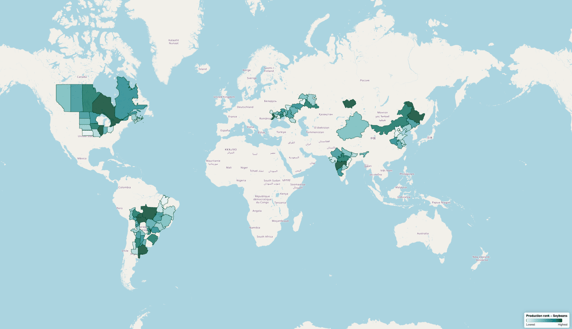
Why it matters: Soybean oil is used in a range of chemical applications, including resins, plasticisers, coatings, inks, lubricants, surfactants, solvents and bio-based polymers.
Key transition risks: Soy is highly exposed to deforestation and wider ecosystem-conversion risk, particularly in Brazil's Cerrado and Amazon regions. It is covered by the EU Deforestation Regulation (EUDR). For chemical companies, this can increase traceability and compliance costs. If companies continue to source soy from the Cerrado and Amazon regions, companies may be exposed to significant reputational risks. As a result, companies may need to change sourcing where soy is linked to deforestation or ecosystem conversion.
Large-scale soy production can also depend heavily on herbicides and pesticides. This creates transition risk if tighter controls require changes in farming practices or increase input and compliance costs.
Key physical risks: Soy yields are sensitive to heat and water stress. This risk is already visible in Brazil. Severe drought during the 2021/22 growing season caused soybean yields to fall sharply in the country’s south, including reductions of 58% and 41% against initial expectations in Rio Grande do Sul and Paranȧ respectively. Warm and humid regions are also exposed to Asian soybean rust, which can reduce yields and increase fungicide use and production costs. In Brazil’s 2005/06 season, Asian soybean rust affected ~80% of soybean-growing area and caused ~$1.7 billion in production losses, alongside substantially higher fungicide costs.
Watch points for chemical companies: Identify where soy-derived feedstocks come from, prioritise deforestation and ecosystem-conversion risk screening, and assess supplier exposure to heat, water stress and disease.
Sources: European Commission EUDR guidance; Trase Brazilian soy supply-chain resources; Global Canopy Soy Toolkit; UNEP and FAO material on pesticide and soil pollution; CABI resources on Asian soybean rust; United States Department of Agriculture Foreign Agricultural Service analysis.
Sugarcane
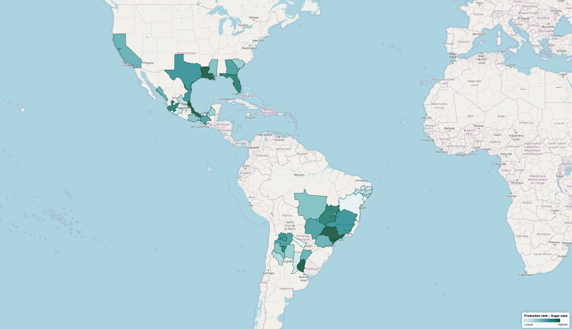
Why it matters: Sugarcane is increasingly relevant to chemical as a bio-based feedstock. Sugar can be fermented into ethanol and other chemical, while ethanol can be converted into bioethylene and used in many of the same downstream products as fossil-derived ethylene.
Key transition risks: Sugarcane production can face constraints on water use and land expansion, particularly in water-stressed or ecologically sensitive regions. For chemical companies, this can increase feedstock costs or limit the availability of sugarcane-derived ethanol and other bio-based inputs.
Key physical risks: Sugarcane depends on reliable rainfall or irrigation and is sensitive to drought and extreme heat. Water stress can reduce yields and sugar content, affecting the availability and cost of ethanol and other downstream chemicals. Brazil's importance to global sugarcane and ethanol production means regional weather shocks can have wider market effects.
Watch points for chemical companies: Identify sourcing from water-stressed regions, assess concentration in Brazil and other major producers, and make sure bio-based sourcing strategies consider land and water risk alongside carbon performance.
Sources: FAO crop water information on sugarcane; Bonsucro Production Standard; USDA FAS Brazil Sugar Annual; IPCC AR6 WGII Chapter 5.
Maize / corn
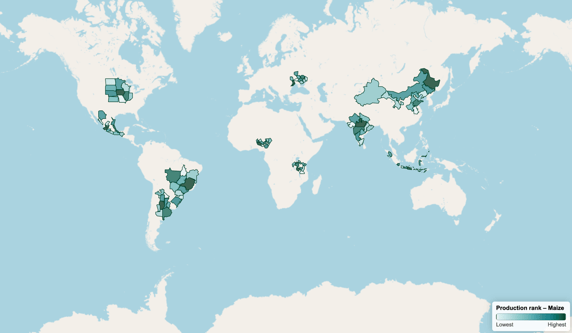
Why it matters: Maize is used as a feedstock for starch and fermentation-based chemicals. Starch can be converted into glucose and then used to produce ethanol, lactic acid, citric acid, amino acids and other biochemicals.
Key transition risks: Intensive maize production can rely heavily on herbicides and other crop-protection products. Where pesticide runoff affects aquatic ecosystems or biodiversity, regulators may tighten use conditions or require alternative practices. Atrazine in the US is one example of a widely used maize herbicide that has faced ongoing scrutiny because of its ecological risks.
Maize is also highly dependent on nitrogen and phosphorus fertiliser. Where nutrient losses contribute to eutrophication and water pollution, tighter regulation can require lower application rates, buffers or better nutrient management. For chemical companies, these restrictions can increase the cost or reduce the availability of maize-derived feedstocks.
Key physical risks: Maize is particularly vulnerable to drought and extreme heat during flowering and grain filling. During the 2012 US drought, corn production fell 13% and corn prices rose around 35% over little more than two months. The price shock sharply compressed ethanol-production margins, illustrating how drought upstream can quickly affect the economics of fermentation-based feedstocks. Irrigated production also depends on reliable surface and groundwater supplies. Poor soil conditions can make crops less resilient to drought and increase dependence on fertilisers and other inputs.
Watch points for chemical companies: Track exposure to drought-prone growing regions, assess dependence on irrigation, and ask suppliers about soil health and nutrient management. Companies should also consider how tighter pesticide rules could affect production costs or yields.
Sources: US EPA resources on atrazine; FAO material on soil erosion and nutrient loss; peer-reviewed research on drought and maize productivity; US Energy Information Administration analysis; US Department of Agriculture National Agriculture Statistics Service.
Phosphate rock
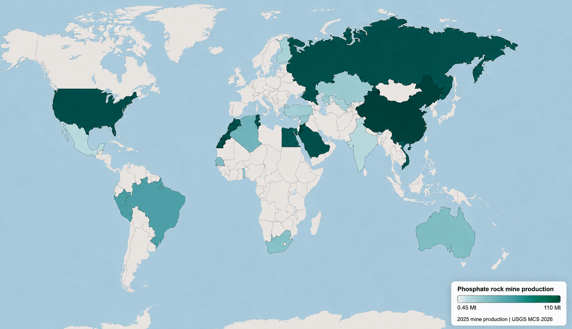
Why it matters: Phosphate rock is the main primary source of phosphorus. Most production ultimately supports fertilisers, but phosphate chemistry is also used in a range of industrial products. Global reserves are highly concentrated, making the location of production particularly important.
Key transition risks: In water-stressed regions, competition for water can lead to tighter abstraction or permitting requirements, increasing compliance costs or constraining production.
Water pollution is another important risk. Phosphate processing can generate large volumes of process water and phosphogypsum waste. In 2021, Piney Point in Florida discharged around 814 million litres of wastewater into Tampa Bay, adding an estimated 186 tonnes of nitrogen in 11 days — more than the bay's typical annual external nitrogen load. Events of this scale can create significant clean-up liabilities and tighter regulatory scrutiny.
More efficient phosphorus use and nutrient recovery could also reduce demand for virgin phosphate at the margin. Regulators seeking to reduce eutrophication can require more efficient fertiliser use and reduce unnecessary phosphorus losses.
Key physical risks: Water scarcity is a major dependency because water is used throughout phosphate mining and processing. This is particularly important in Morocco, which holds a very large share of global phosphate-rock reserves while also facing structural water stress and increasing drought pressure.
Watch points for chemical companies: Map where phosphate comes from, assess mine and processing locations against water stress, and understand how suppliers manage process water and waste. Companies should also monitor regulation aimed at reducing phosphorus pollution.
Sources: USGS phosphate-rock data; World Bank analysis of water scarcity in Morocco; research on the 2021 Piney Point discharge; sources on phosphorus pollution and eutrophication.
The takeaway
For chemical companies, the nature-related risk attached to a feedstock depends as much on where and how it is produced as on the commodity itself.
Water availability can affect both agricultural and extractive feedstocks, while deforestation, ecosystem-conversion and pollution rules can reshape sourcing requirements and production costs. Physical pressures such as drought, heat, disease and soil degradation can also reduce supply or increase volatility.
The shift towards alternative feedstocks does not necessarily remove these risks. Replacing fossil-based inputs with agricultural ones may reduce some environmental pressures while increasing exposure to land, water, soils and ecosystem services elsewhere in the value chain.
For chemical companies, the practical starting point is therefore to connect feedstock sourcing to location-specific nature risk: where materials are produced, what ecosystem services production depends on, what environmental pressures or regulations apply, and how those factors could affect supply, cost, compliance and resilience.
Building the Business Case for Nature in the Chemicals Sector
Understand how to go about building the business case for nature and bring other stakeholders across the business - procurement and site managers in particular - along on the process.