How to Engage Procurement Teams Effectively on Nature
Procurement isn’t a barrier to nature action - it’s the engine driving it. When sustainability teams bring data, empathy, and commercial alignment,...

Nature-related risks are hitting the balance sheet, and they almost always start in the supply chain. Integrating nature intelligence into procurement isn’t about being "green." It’s about making sure your business can actually function in a fragile ecosystem.
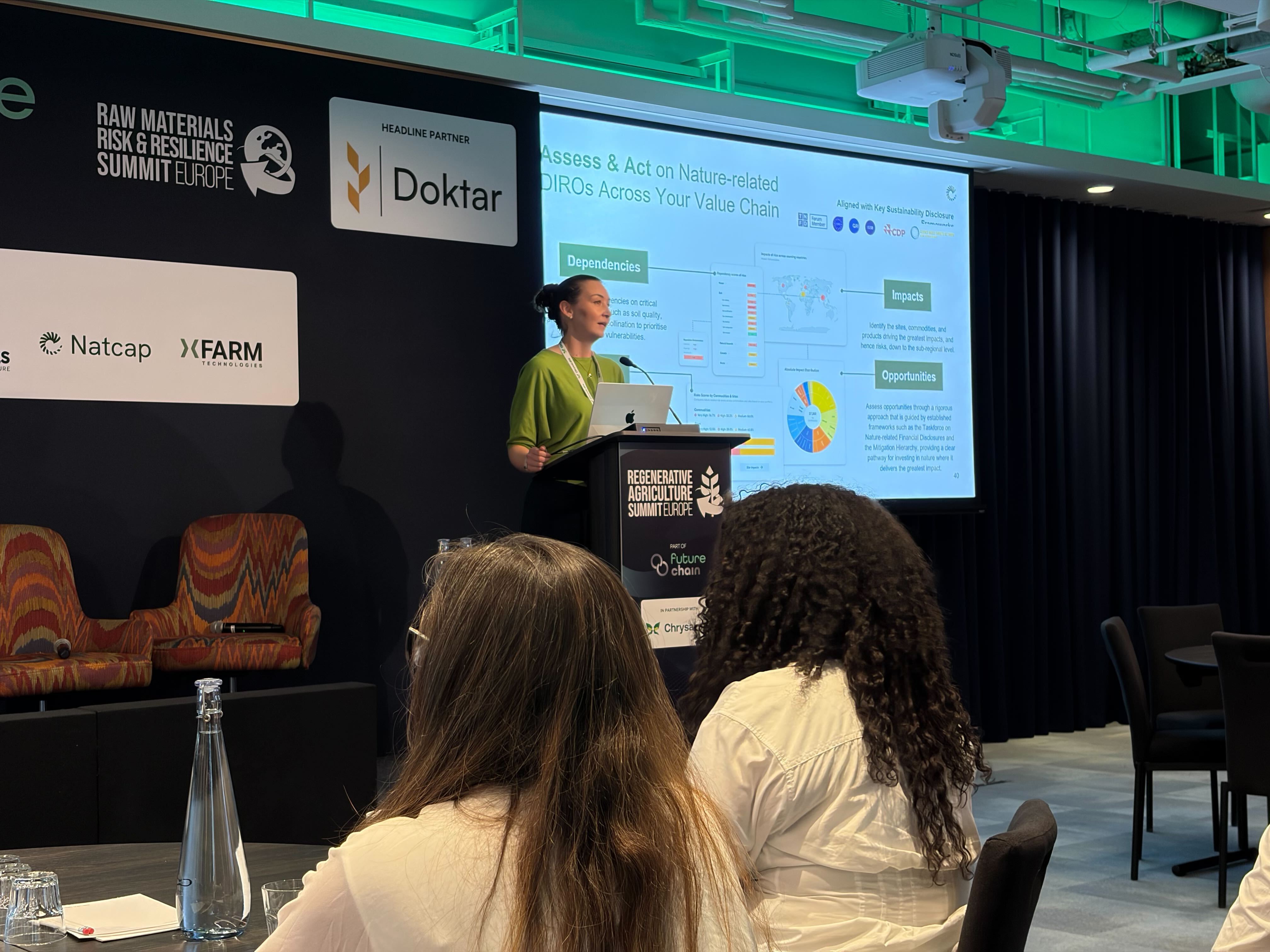
The real buzzword at FutureChain 2026 was resilience. Specifically, how do you protect security of supply and keep costs under control when the environment is failing?
During our workshop at the conference, we saw a massive shift in how leaders view environmental threats. While price shocks are the current headache, the fear over security of supply is what’s keeping people up at night.
One of the sharpest insights from the workshop was that "efficiencies without resilience are just fragile." For most, nature risks—like water scarcity or failing soil—aren't abstract goals. They are "business-as-usual" threats.
Forget high-level averages. To be useful, an assessment needs to be location-specific and defensible. It has to translate "ecology" into "operations."
Your assessment should answer three things:
We recommend a straightforward approach to get this into your strategy:
In our workshop, we identified a few specific "levers" procurement teams can pull right now:
Is your supply chain ready for a nature-resilient future? Let’s talk.
Procurement isn’t a barrier to nature action - it’s the engine driving it. When sustainability teams bring data, empathy, and commercial alignment,...
For most organisations, the largest impacts on nature occur not within their own operations but across their upstream supply chains. Yet many are...
1 min read
Nature degradation is no longer a distant environmental concern - it’s a direct and growing threat to global supply chains. Extreme weather events,...