Measuring Nature in the Supply Chain
The supply chain is where most nature-related risks and opportunities lie, yet it remains one of the most challenging areas for businesses to measure...
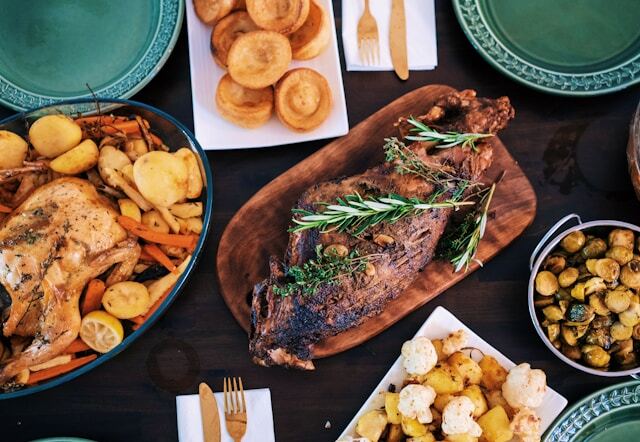
For many of us, Christmas dinner is one the most iconic meals of the year. Although everyone has their own traditions, the combination of turkey, potatoes, Brussels sprouts, and all the trimmings screams ‘it’s Christmas’ louder than Noddy Holder ever could. While we enjoy the feast, it’s worth considering how our favourite festive foods interact with nature, and what choices we can make to reduce their environmental impact.
Turkey is the centrepiece for many Western countries on Christmas Day. Although it has a lower environmental impact than meats like beef or lamb, there are still negative nature impacts associated with the rearing of turkeys. Intensive turkey farming produces significant amounts of manure, which, if poorly managed, can leach nitrogen and phosphorus into nearby rivers and lakes, leading to eutrophication and damaging aquatic life. Further up the supply chain, there is potential deforestation from the protein-rich soy-based feeds that are relied on to ensure rapid growth of the birds. South America is a main exporter of soy animal feed and the expansion of soy farming has driven deforestation in globally-recognised biodiversity hotspots, including both the Amazon and Cerrado.
The situation is similar for pigs. If your Christmas Day features ham, bacon or pigs in blankets, this is another major contributor to the environmental impact. The production of soy-based animal feed drives deforestation and biodiversity loss in global hotspots, and their waste can lead to excessive nutrient buildup, degrading local soil quality and increasing the risk of runoff and water pollution. Air pollution from pig farms, including ammonia and methane emissions, also contributes to local air quality issues.
With plant-based diets gaining popularity, nut roasts and vegetable-based mains are becoming festive favourites. While the key ingredients have a significantly lower nature impact, there are still areas of concern. Tree nuts, such as almonds and cashews, can require large amounts of water, which is a particular problem if they are grown in water stressed areas. Spain, the United States of America and Morocco are all top almond producers and face issues of water scarcity.
Potatoes are a Christmas staple and, fortunately, one of the lower-impact foods on your plate. They require less water and fertiliser inputs than many other crops, and their typically short growing season reduces the need for prolonged inputs. However, intensive potato farming can still lead to soil erosion, as well as pesticide and nutrient leaching if not managed sustainably. Root vegetables like carrots and parsnips are similarly low impact, especially when grown seasonally and sourced close to home.
Brussels sprouts, love them or hate them, are one of the lowest impact commodities on your plate. They require minimal inputs of water or fertiliser and grow well in colder seasons, making them an eco-friendly choice for your festive meal. In addition, Brussels sprouts are part of the Brassica family, which can actually improve soil health when grown in rotation with other crops.
Cranberries are more unusual. Cranberries come mainly from wetland farms in the US and Canada. These cranberry bogs are a unique agricultural production system, which is very water-intensive. Wet harvesting of cranberries relies on controlled flooding and machinery to dislodge the berries. After harvesting, this water, along with any chemicals used in the production process, flows back into the environment.
While it’s hard to completely eliminate the environmental impact of your Christmas dinner, you can make environmentally conscious choices. It’s also important to remember that every item on your plate, from turkey to Brussels sprouts, depends on healthy ecosystems and resilient nature. Turkeys and pigs rely on feed crops grown in fertile soil, clean water, and a stable climate, while vegetables, nuts, and cranberries require nutrient-rich soil, pollinators, and reliable rainfall. Protecting nature is not just about conservation. It is also about ensuring that future Christmas dinners can be enjoyed at all.
Explore our Nature Intelligence Suite for Supply Chains to identify how the commodities your company sources impacts and depends on nature, and to prioritise practical actions for creating business value while restoring and protecting nature.
The supply chain is where most nature-related risks and opportunities lie, yet it remains one of the most challenging areas for businesses to measure...
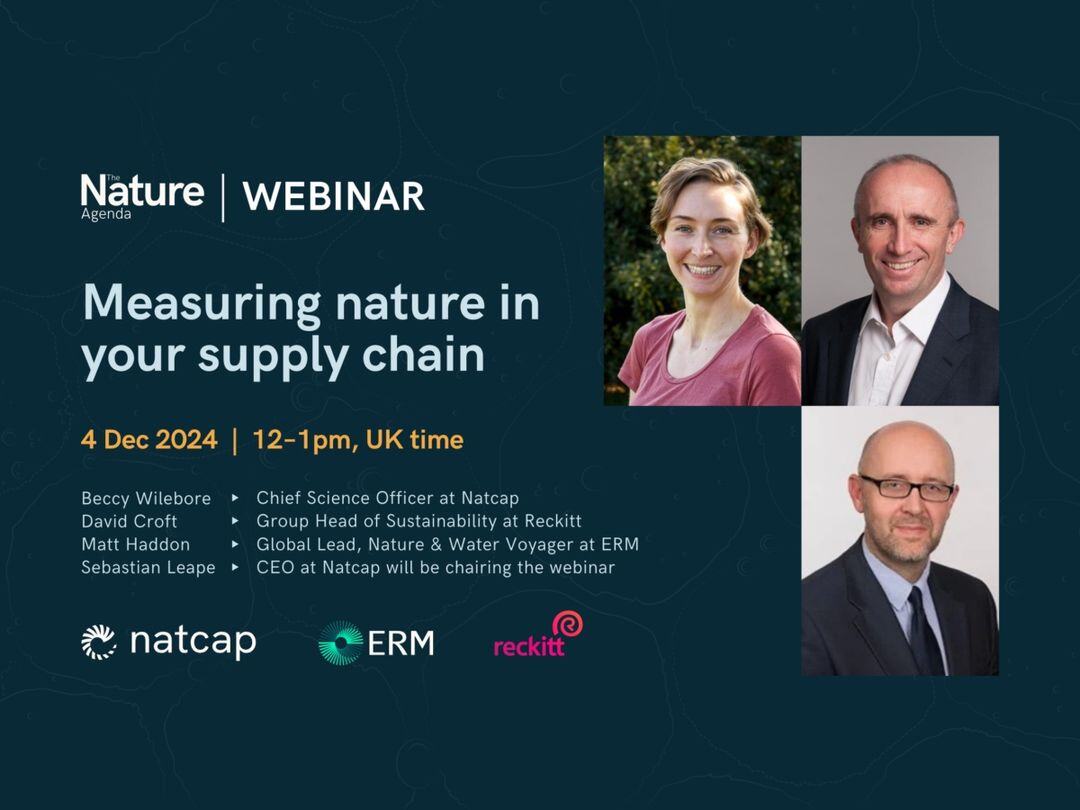
The heterogenous character of nature complicates the measuring of nature-related dependencies, impacts, risks and opportunities in a supply chain....
In early 2025, we spoke with 13 sustainability leaders across sectors to understand how organisations are engaging with nature. These conversations...